
Memorizing The Holy Quran Through Repetition
Memorizing The Holy Quran Through Repetition
Discover effective methods for memorizing the Holy Quran through repetition. Learn proven Hifz techniques, structured revision plans, and practical tips
The Ultimate Guide to Memorizing The Holy Quran Through Repetition
Are you struggling to retain the noble verses in your heart? Memorizing the Holy Quran through repetition is a proven, time-tested foundation for building a strong memory and deep spiritual connection. Whether you are a beginner or seeking to perfect your Hifz, consistent recitation requires dedication and discipline.
In this comprehensive guide, you will discover effective techniques, modern digital tools, and structured methods that make your Quranic learning journey easier, more organized, and spiritually rewarding.
Why Repetition is the Foundation of Hifz
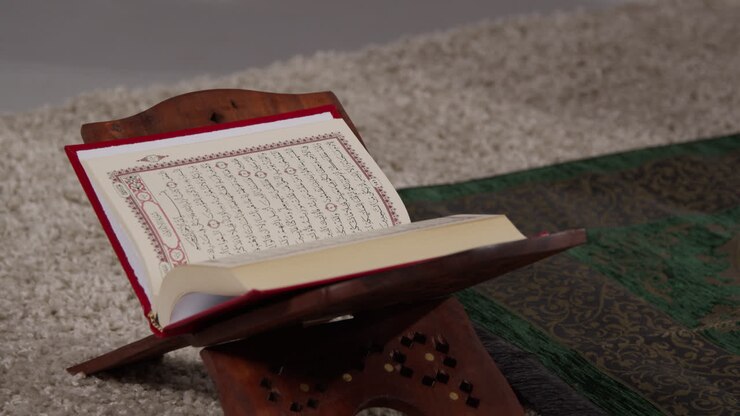
Repetition is not simply reading words aloud; it is an active process of listening, reciting, reflecting, and internalizing. This consistent practice, known as Tadarus, builds a solid foundation for long-term retention and deep understanding.
By reciting the same verses multiple times, you gradually move the words from short-term memory into permanent recall. This method requires focus and patience, but the spiritual reward makes every moment worthwhile.
Allah says:
“And We have certainly made the Qur’an easy for remembrance, so is there any who will remember?” (Surah Al-Qamar, 54:17)
Repetition strengthens both memory and faith, creating a powerful connection between the heart and the words of Allah.
Effective Techniques for Memorizing
Spaced Repetition and Active Revision
Spaced repetition is an advanced and highly effective memorization technique. Instead of cramming large portions at once, you review memorized verses at structured intervals — daily, weekly, and monthly.
This system ensures that older surahs remain fresh in your mind while you continue adding new portions. It balances progress with quality retention, preventing gaps in your Hifz journey.
Combine Visual and Audio Learning

Using the same printed Mushaf consistently helps build strong visual memory. Over time, you will remember where each verse appears on the page — whether at the top, middle, or bottom.
To strengthen this further, listen to expert reciters. Audio learning helps improve Tajweed, pronunciation, and rhythm. Students who combine visual reading with active listening typically experience faster and more accurate memorization.
• Suggested Link: Insert link here for Elbayan Academy’s Tajweed Rules Online Course
Modern Tools: Digital Devices and Apps
Today’s technology offers revolutionary tools to support your Hifz journey. A smart digital Quran reading pen allows students to listen to high-quality recitation simply by touching the printed text.
Many of these devices include:
Built-in LCD screens
Tafsir explanations
Multiple translations (including Urdu and English)
Instant audio playback
These interactive tools help correct pronunciation mistakes immediately, ensuring accuracy before committing verses to memory.
Additionally, modern Islamic apps allow students to:
Download recitations
Track memorization progress
Follow structured online syllabi
Set daily revision reminders
Such tools are especially helpful for independent learners seeking structured guidance.
A Structured Guide for Kids and Beginners

When teaching children, it is highly recommended to begin with Juz Amma. These shorter surahs contain clear themes and manageable lengths, helping young learners build confidence quickly.
Establishing a specific daily memorization time encourages discipline and consistency. Instead of overwhelming students with large portions, divide lessons into small, achievable sections.
Encourage:
Positive reinforcement
Gentle correction
Regular revision sessions
• Suggested Link: Insert link here for Elbayan Academy’s Quran for Kids Online Classes
Spiritual Preparation and Faith
Memorizing the Quran is not just an academic process — it is a spiritual commitment. Begin with sincere intention (Niyyah) and daily Duas asking Allah for ease and understanding.
Following trusted scholarly methodology, including traditional Azhar-based teaching approaches, strengthens both spiritual focus and memorization quality.
The blessed month of Ramadan is an especially powerful time to intensify both memorization and revision. A calm heart and pure intention significantly improve mental clarity and retention.
Frequently Asked Questions (FAQs)
How many times should I repeat a single verse?
Scholars commonly recommend reciting a verse 15–20 times while looking at the Mushaf, then repeating it 10 times from memory. However, this may vary depending on individual ability.
Do digital tools like a Quran reading pen really help?
Yes. A digital pen provides instant audio feedback, helping ensure correct pronunciation before committing verses to memory.
What is the best time of day to memorize?
The early morning hours, especially after Fajr prayer, are widely considered the most effective due to mental clarity and minimal distractions.
How can I prevent forgetting what I have memorized?
Consistent revision is essential. Dedicate a fixed daily portion specifically for reviewing previously memorized chapters.
Start Your Journey with Elbayan Academy
Memorizing the Quran is a beautiful lifelong journey that blends traditional dedication with modern support tools. Whether you prefer the classic printed Mushaf or advanced digital devices, the key to success remains consistent repetition and structured revision.
Are you ready to perfect your recitation and master your Hifz under certified Azhari teachers?
Join thousands of successful students today. Register for our online courses at Elbayan Academy or contact us directly via WhatsApp to start your free trial session.